
Land without planning permission often looks like the bargain of the year. It costs less than the consented plot down the road, the views are lovely, and the seller talks about "obvious potential". Sometimes that potential is real. Often it is not, and the buyer ends up with a field they cannot build on, cannot service and cannot easily sell. These are the mistakes that catch people out most often, and how to spot them before contracts are exchanged.
This is the most expensive assumption in land buying. Planning permission is a decision made by the local authority, not a reward for owning a field. A plot surrounded by houses can still be refused; a plot in open countryside can occasionally be approved. Nothing about the setting guarantees anything.
Before spending money on surveys, find out what the adopted local plan says about the site. Is it inside the settlement boundary, or allocated for housing? Is it in the Green Belt, a conservation area, an Area of Outstanding Natural Beauty, a National Park or a flood zone? Each designation changes the conversation. So do the finer points: highways visibility, drainage, the character of the surroundings, and whether the site is a genuine infill gap or simply a field that happens to sit beside a village.
A written appraisal from a planning consultant, or pre-application advice from the council, costs far less than a plot you cannot develop.
Access is the classic deal-breaker. A gap in a hedge is not a right of way, and a right of way written into a neighbour's deeds is not the same as one written into yours.
Get answers in writing before you commit. If the answer to any of them is a shrug, walk away or renegotiate the price.
Water, electricity and drainage empty budgets fastest. A plot a few hundred metres from the nearest mains connection is a very different proposition from one with services already at the boundary.
Ask the water provider whether a connection is possible and what it involves. For electricity, check the distance to a suitable connection point and whether a new pole or transformer is needed. For drainage, find out whether a mains sewer is available; if not, you will be looking at a treatment plant and enough land for a drainage field, which needs suitable ground conditions and typically its own approval.
Insist on written quotations rather than verbal guesses, and add a margin for trenching, traffic management, reinstating any road you cross, and the time spent chasing. Then ask yourself whether the plot is still cheap.
The title deeds can quietly forbid the very thing you want to do. Restrictive covenants might limit the land to agricultural use, permit only one dwelling, ban business use, or prevent building altogether. Positive covenants might oblige you to contribute to the upkeep of a shared access or boundary.
Look out for easements crossing the site — drainage pipes, cables, a right of way for a neighbouring farm — and for public footpaths, which are difficult to move. Watch too for overage or clawback clauses, where the seller takes a share of any uplift in value if permission is granted later. That kind of clause can turn a viable project into a losing one.
Ask your solicitor to read the full deed documents, not just the title register. A plan can show far less than the paperwork says.
"It has always been considered a building plot."
It may well have been considered that by the person selling it. That is not a material planning consideration. Sellers and agents can say what they like about potential; only the local planning authority can grant permission, and only an appeal inspector can overturn a refusal.
Check the council's online planning register yourself. Search the site and the surrounding roads, and read any refusals to see what sank them — a similar plot refused nearby is a strong hint about your own chances. If the seller says permission "used to exist", find out what happened: permissions expire, and some were granted for far narrower schemes than the one you have in mind.
Unconsented land is often land nobody has wanted to build on, and there is usually a reason. It may be former landfill, a quarry, a garage or a scrap yard, bringing the risk of contaminated soil and the cost of dealing with it. It may sit in a flood zone, or suffer surface water flooding that never shows on a sunny viewing day.
Check for trees covered by Tree Preservation Orders, which limit what you can remove, and for invasive species such as Japanese knotweed. Visit in winter as well as summer. Ask about the land's previous uses going back decades, and commission a desktop study or ground investigation before committing.
Most of the pain in unconsented land deals comes from buying first and asking questions later. A calmer order of work looks like this:
If you are buying specifically to build, a conditional contract or an option agreement — where completion depends on permission being granted — shifts much of the risk back to the seller. Expect to pay for that protection, and expect some sellers to refuse. The refusal itself tells you plenty.
Buying land without planning permission can still be a sound purchase: for grazing, woodland, amenity or a long-term hold. The mistake is paying a building-plot price for something that will never become a building plot. Planning and property law are specialist areas, so take advice from a solicitor and a planning consultant about your particular site before you exchange contracts.
Photo: Nicolae_Balt / Pixabay
Turning garden land into a building plot hinges on planning policy, access, services and neighbour objections — most...
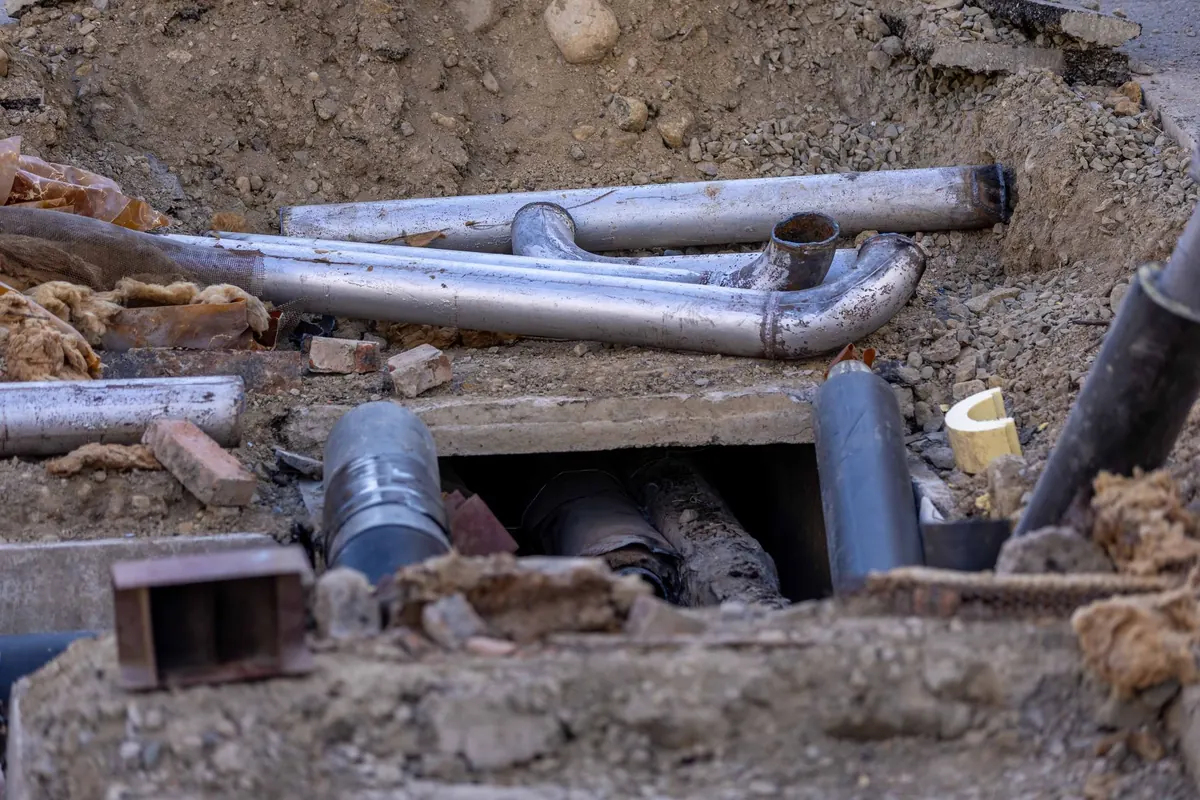
A practical breakdown of the costs and connection processes for water, electricity, drainage and broadband on a...
Landlocked plots have no automatic right of access. Here is how easements, rights of way, prescriptive claims and...

Find the right plot for your project.